Technical Writing Trends in 2026: The New Role of Documentation
An exploration of how AI integration, product lifecycle changes, and personalization needs are redefining technical writers' responsibilities and shaping the future of documentation in 2026.
Technical Writing Trends in 2026: The New Role of Documentation
With rapid technological evolution, the role of technical writing is constantly transforming. In 2026, the integration of artificial intelligence (AI), the shift in product development lifecycle, and the growing need for documentation personalization are redefining technical writers' responsibilities. Adapting to these changes is crucial to ensure that documentation remains relevant and effective for users. This article explores the main trends that will shape the future of technical writing.

March 15, 2026
Upstream Documentation: Integrated into the Product Lifecycle
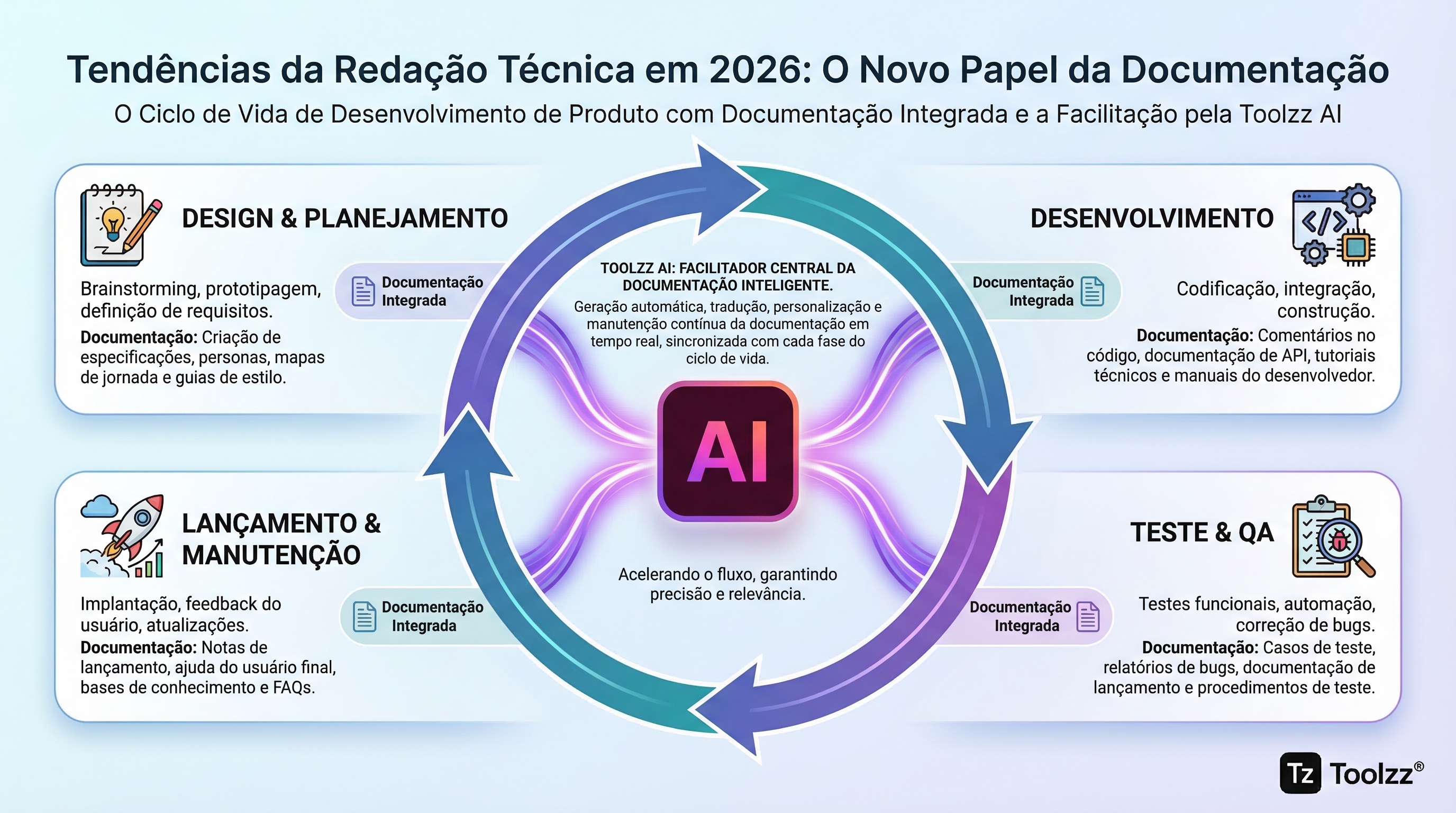
Traditionally, documentation was often a final step in the product development cycle. However, this approach is changing. In 2026, documentation will be increasingly integrated into the early phases of the product lifecycle, becoming an integral part of the design and development process. This means that technical writers will need to collaborate more closely with engineering and product teams to ensure that documentation is accurate, complete, and up-to-date from the start. This anticipation in content creation allows for early identification of knowledge gaps and the creation of more proactive and useful documentation.
AI at the Heart of Technical Writing
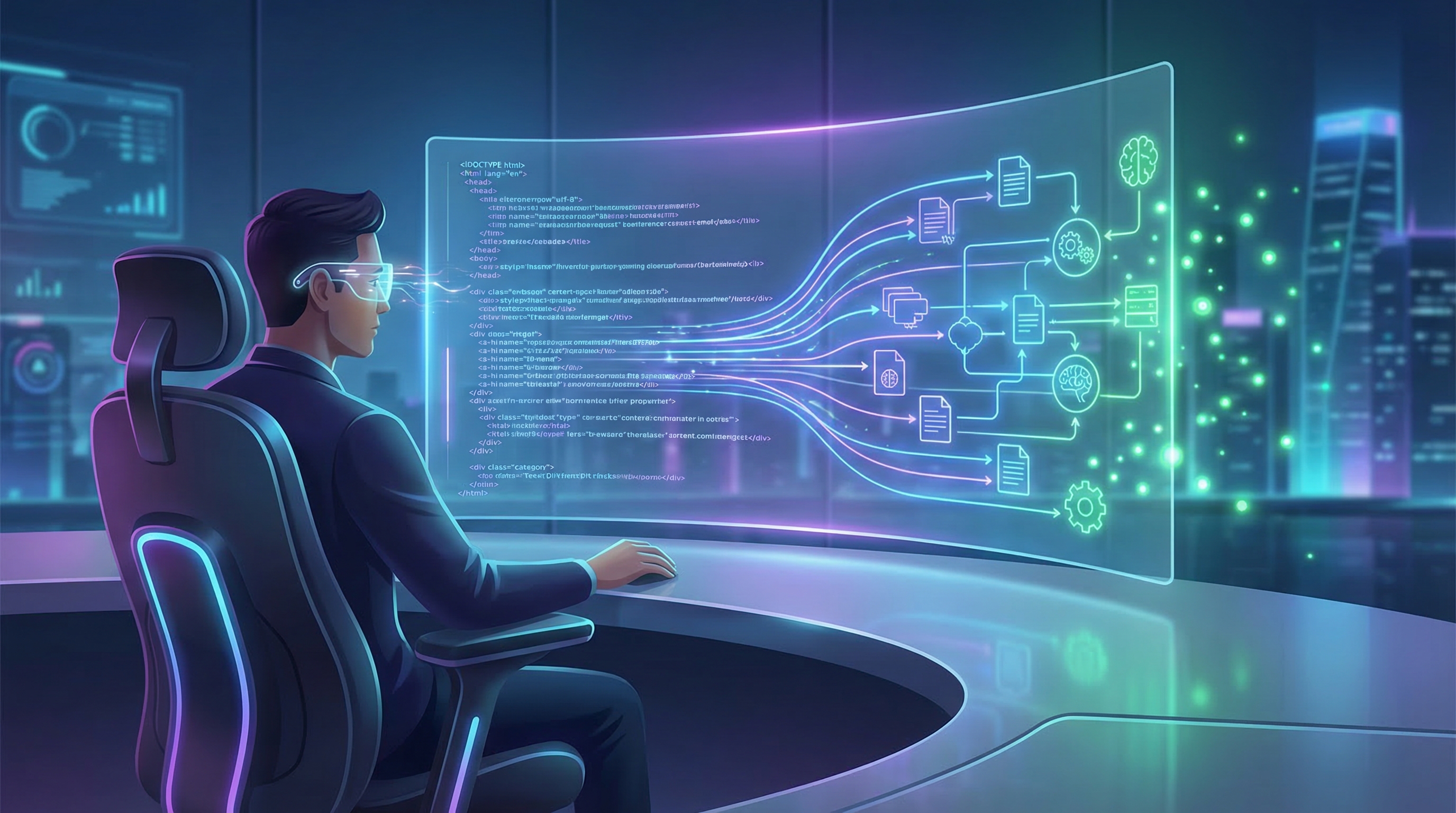
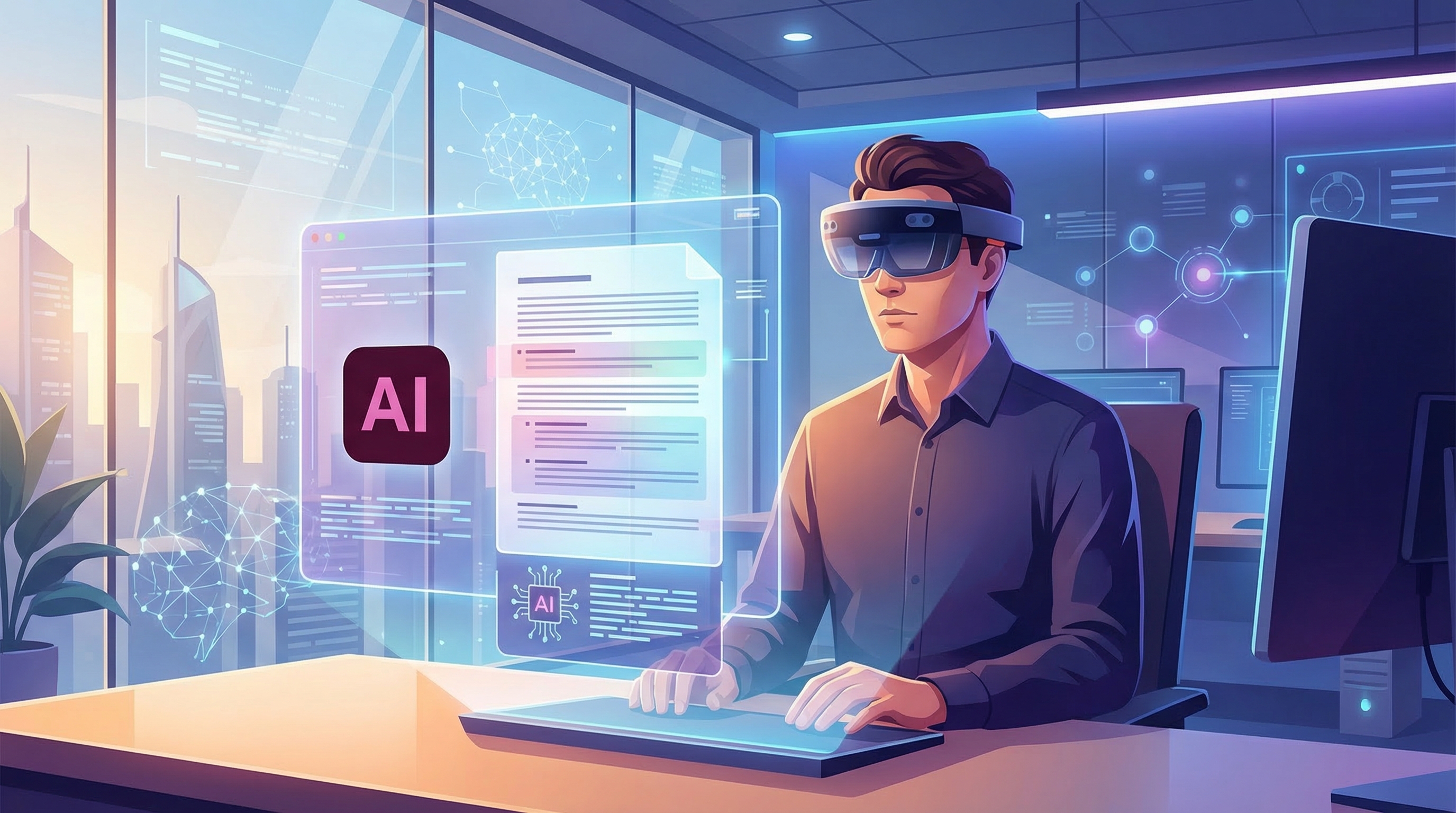
Artificial intelligence is already transforming technical writing, and this trend will intensify in 2026. AI tools will be widely used to automate tasks such as draft creation, content editing, and document translation. However, AI will not replace technical writers, but rather assist them, allowing them to focus on more strategic tasks, such as reviewing content quality, ensuring technical accuracy, and personalizing documentation for different audiences. Platforms like Toolzz AI offer powerful solutions to optimize the documentation process, automating repetitive tasks and freeing technical writers to focus on higher-value activities.
Human Judgment and Ethics in the AI Era
With the growing use of AI in technical writing, the responsibility for ensuring the accuracy, ethics, and regulatory compliance of documentation will increasingly fall on technical writers. AI can generate content quickly, but it is essential that humans review and validate this content to ensure it is accurate, complete, and error-free. Additionally, technical writers will need to be attentive to the ethical implications of using AI in documentation, especially in regulated sectors such as healthcare and finance. This is crucial to maintain user trust and avoid legal issues.
Want to optimize content creation and ensure compliance? Request a Toolzz AI demo and see how AI can assist in your technical writing.
Multimodal Communication: Beyond Text
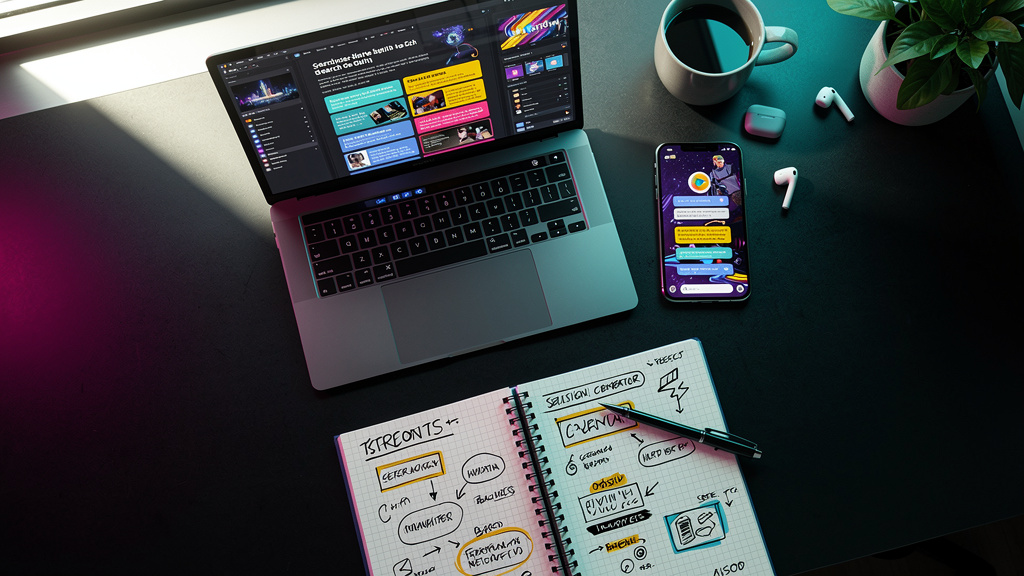
Documentation in 2026 will be increasingly multimodal, combining text, images, videos, and interactive elements to offer a more engaging and effective learning experience. Technical writers will need to master skills in visual design, video production, and interactive content creation to meet user expectations. This approach allows for addressing different learning styles and making documentation more accessible and understandable. Toolzz LXP can be used to host and manage this multimodal content, offering a complete platform for corporate education.
Personalization and Contextual Service
Users increasingly expect documentation to be personalized for their specific needs and context. In 2026, technical writers will need to use data and analytics to better understand their audiences and adapt documentation accordingly. This may include creating specific content for different roles, experience levels, or geographic regions. Additionally, documentation will be increasingly integrated into products and services, offering contextual help and on-demand support. Tools like Toolzz Chat can be integrated into documentation to provide real-time support to users, answering questions and solving problems quickly and efficiently.
The Future of Technical Writing: Agility and Automation
Trends in technical writing point to a future where agility and automation play increasingly important roles. AI tools, automated workflows, and sophisticated content management platforms will enable technical writers to create, maintain, and distribute documentation more quickly and efficiently. The ability to adapt quickly to changes and provide accurate and relevant documentation will be fundamental to success in the constantly evolving business environment. The integration of AI agents, such as Toolzz's Blog AI Agent, can automate content creation for your blog, freeing your team for other tasks.
Conclusion
In 2026, technical writing will be a dynamic and constantly evolving discipline. AI, personalization, and the integration of documentation into the product lifecycle are just some of the trends that will shape the future of the field. Technical writers who adapt to these changes and embrace new technologies will be well positioned to thrive in an increasingly competitive business environment. Toolzz offers a complete set of tools and solutions to help companies optimize their documentation processes and provide an exceptional user experience.






















.webp)