AI in Brazil and LATAM in 2026: Trends, Tools and Use Cases
An exploration of how Artificial Intelligence is transforming the business landscape in Latin America, covering emerging trends, key tools, practical use cases across industries, and the critical role of corporate education in preparing for the AI era.
AI in Brazil and LATAM in 2026: Trends, Tools and Use Cases

March 14, 2026
Artificial Intelligence (AI) is rapidly transforming the global business landscape, and Latin America is no exception. In 2026, AI is expected to become even more integrated into business, driven by the growing adoption of cloud computing solutions, increased data availability, and advances in machine learning algorithms. This article explores the main trends, emerging tools, and practical AI use cases in Brazil and LATAM, focusing on opportunities for companies and the role of corporate education.
The Rise of Generative AI and Its Impacts
Generative AI, with models like GPT-4 and others, will continue to dominate headlines in 2026. However, practical application will expand beyond text creation. We will see generative AI being used for:
- Personalized content creation: Marketing, sales, and corporate education will benefit from the ability to generate tailored materials for different audiences.
- Design and prototyping: AI will be able to assist designers and engineers in creating new products and services, accelerating the innovation process.
- Software development: Automatic code generation and algorithm optimization will make software development more efficient.
In Brazil and LATAM, the adoption of generative AI will be influenced by the growing demand for automation and the need to reduce operational costs. Companies across all sectors, from retail to finance, will seek ways to leverage the potential of this technology.
AI Tools in the Spotlight for 2026
The AI tools market is constantly evolving. In 2026, some of the tools expected to stand out include:
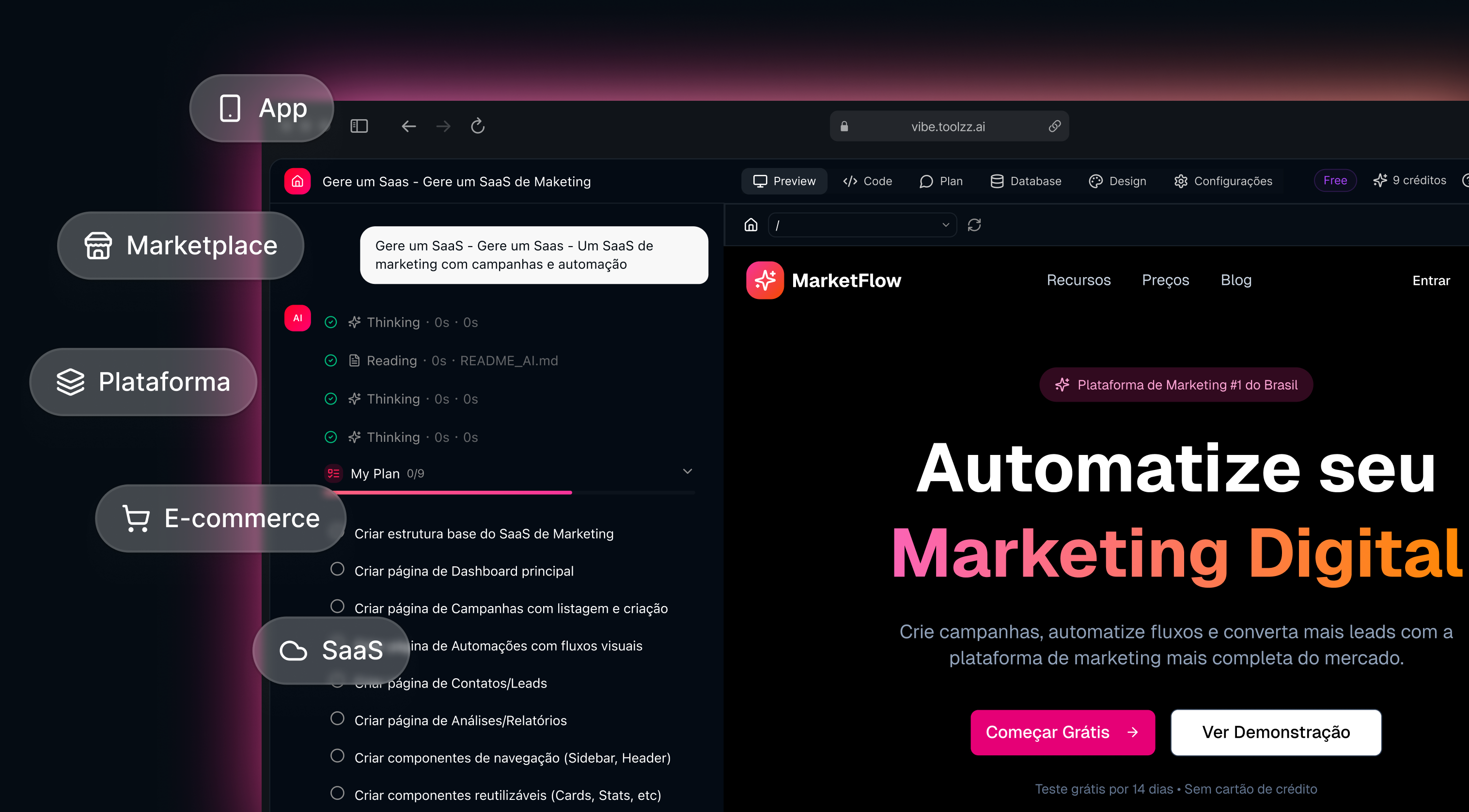
- Conversational AI platforms: Solutions like Toolzz's, which offer no-code chatbots and voice agents, will gain even more popularity, allowing companies to automate customer service and improve user experience.
- Predictive analytics tools: Machine learning-based solutions to predict market trends, identify risks, and optimize decision-making processes.
- Computer vision platforms: Applications for image and video analysis, with use in areas such as security, quality control, and medical diagnosis.
- Robotic Process Automation (RPA) tools with AI: The combination of RPA with AI will enable automation of more complex and unstructured tasks.
It's important to note that choosing the right tool will depend on each company's specific needs. Integration with existing systems and ease of use are crucial factors to consider.
Want to know how Toolzz can help you implement conversational AI? Schedule a personalized demo and discover the power of intelligent automation.
Practical AI Use Cases in Brazil and LATAM
AI's potential extends to various sectors. Some promising use cases for 2026 include:
- Financial Sector: Fraud detection, credit analysis, offer personalization, and chatbots for customer service.
- Retail: Price optimization, demand forecasting, product recommendations, and shopping experience personalization.
- Healthcare: AI-assisted medical diagnosis, new drug discovery, remote patient monitoring, and treatment personalization.
- Agriculture: Crop monitoring, harvest forecasting, resource optimization, and pest and disease detection.
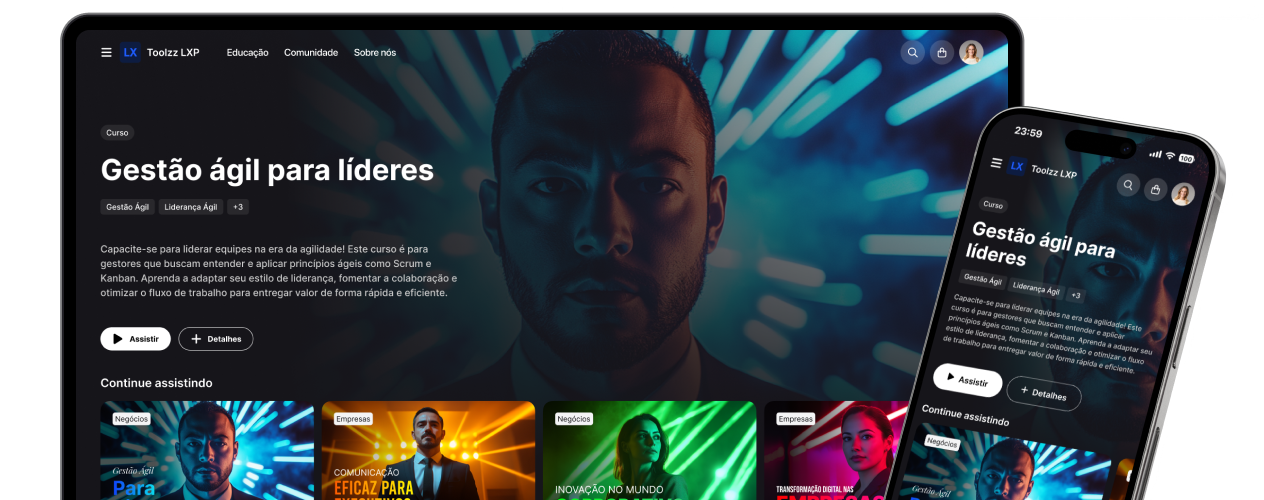
- Education: Learning personalization, AI-powered LXP (Learning Experience Platforms) (like Toolzz), virtual tutors, and administrative task automation.
In the LATAM context, AI has the potential to drive financial inclusion, improve healthcare access in remote areas, and increase agricultural production efficiency.
Corporate Education and Preparation for the AI Era
The AI-driven transformation requires companies to invest in corporate education to prepare their employees for the future. In 2026, we will see an increase in demand for training programs in areas such as:
- Machine learning and data analysis: Enabling employees to understand and use AI tools.
- Digital skills development: Helping employees adapt to new technologies and tools.
- Critical thinking and problem-solving: Developing skills that complement AI and enable employees to make more informed decisions.
- Ethics and responsibility in AI: Ensuring employees understand the ethical and legal aspects of AI use.
LXP platforms like Toolzz will play a fundamental role in delivering personalized and adaptive learning content, allowing employees to learn at their own pace and according to their individual needs.
Challenges and Opportunities for AI Adoption in LATAM
While AI's potential in LATAM is enormous, there are some challenges to overcome:
- Lack of infrastructure: Limited access to high-speed internet and cloud computing resources in some areas.
- Talent shortage: Lack of qualified professionals in AI and related areas.
- Regulatory barriers: Lack of clear regulation on AI use.
- Implementation cost: The cost of implementing AI solutions can be high for some companies.
However, these challenges also represent opportunities for companies and governments to invest in infrastructure, education, and regulation to drive AI adoption in the region.
In conclusion, AI is poised to transform Brazil and LATAM in 2026, offering significant opportunities for companies willing to invest in technology and corporate education. The key to success will be the ability to adapt AI solutions to the region's specific needs, overcome existing challenges, and leverage AI's potential to drive innovation and economic growth. Preparing for this new era with platforms like Toolzz becomes fundamental for companies' success. If you want to prepare for the future of conversational AI, schedule a conversation with our experts right now.
























.webp)