Beginner Mistakes When Trying Chatbot for Risk Management Using Toolzz Bots
This article addresses the most common pitfalls in implementing chatbots for risk management with Toolzz Bots, from insufficient planning to ignoring data security, helping organizations avoid critical errors and maximize the technology's potential.
Beginner Mistakes When Trying Chatbot for Risk Management Using Toolzz Bots

March 15, 2026
Managing risks is fundamental to the health of any organization. The complexity inherent to this process, however, requires effective tools and strategies. Chatbots, powered by conversational automation, emerge as powerful allies, streamlining incident triage, collecting crucial data, and providing quick responses. But to make the most of this technology, it's necessary to avoid common mistakes. This article addresses the most frequent pitfalls in implementing chatbots for risk management with Toolzz Bots.
Insufficient Planning
One of the biggest mistakes is starting implementation without detailed planning. Clearly defining the chatbot's objectives is crucial. Which risk management processes do you want to automate? What types of incidents should the chatbot be able to handle? What information does it need to collect? Without clear answers, the project can become ineffective and consume resources unnecessarily. Additionally, it's important to map the conversation flow, anticipating the different interactions the user may have with the chatbot.
Ignoring Integration with Existing Systems
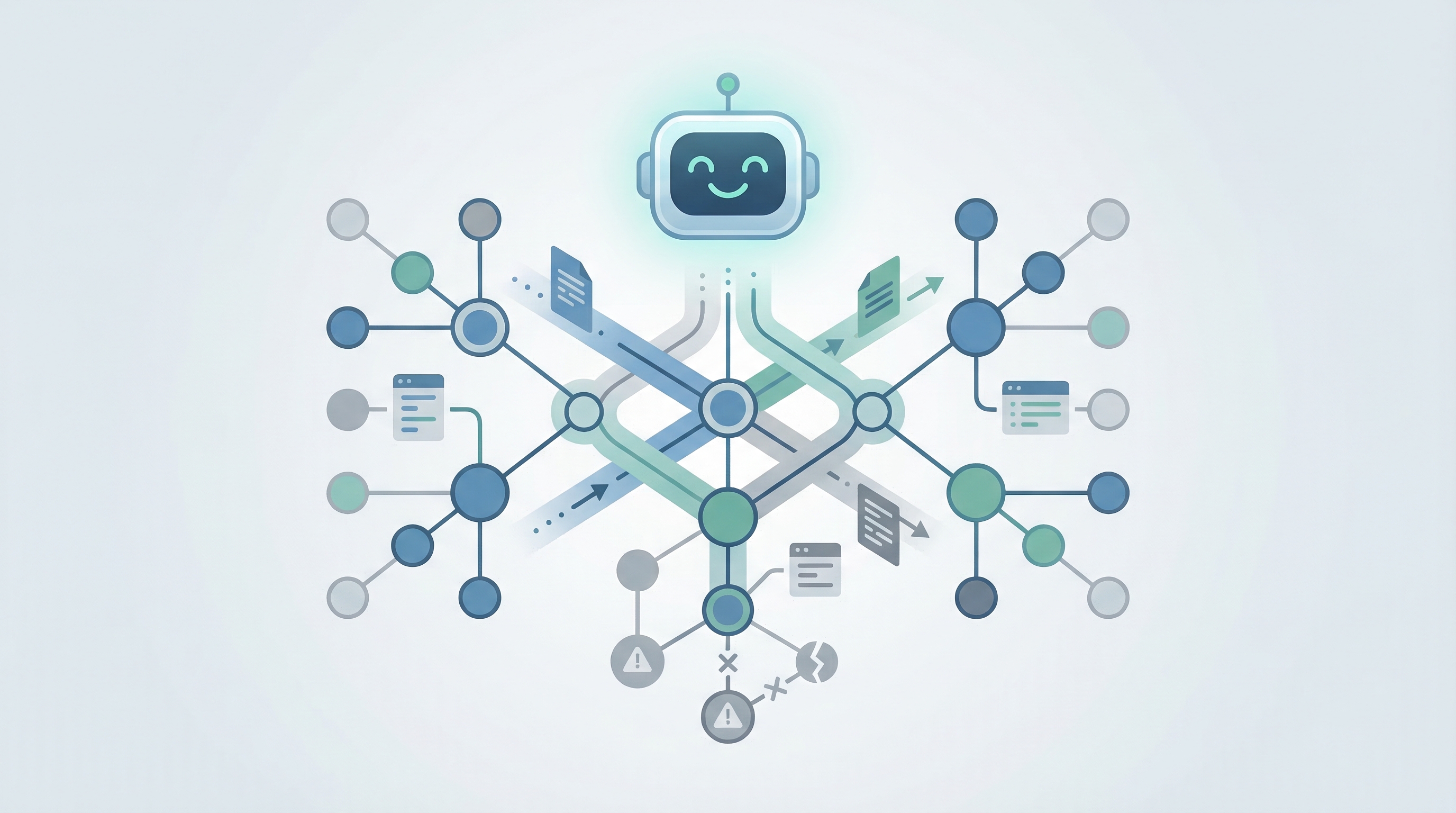
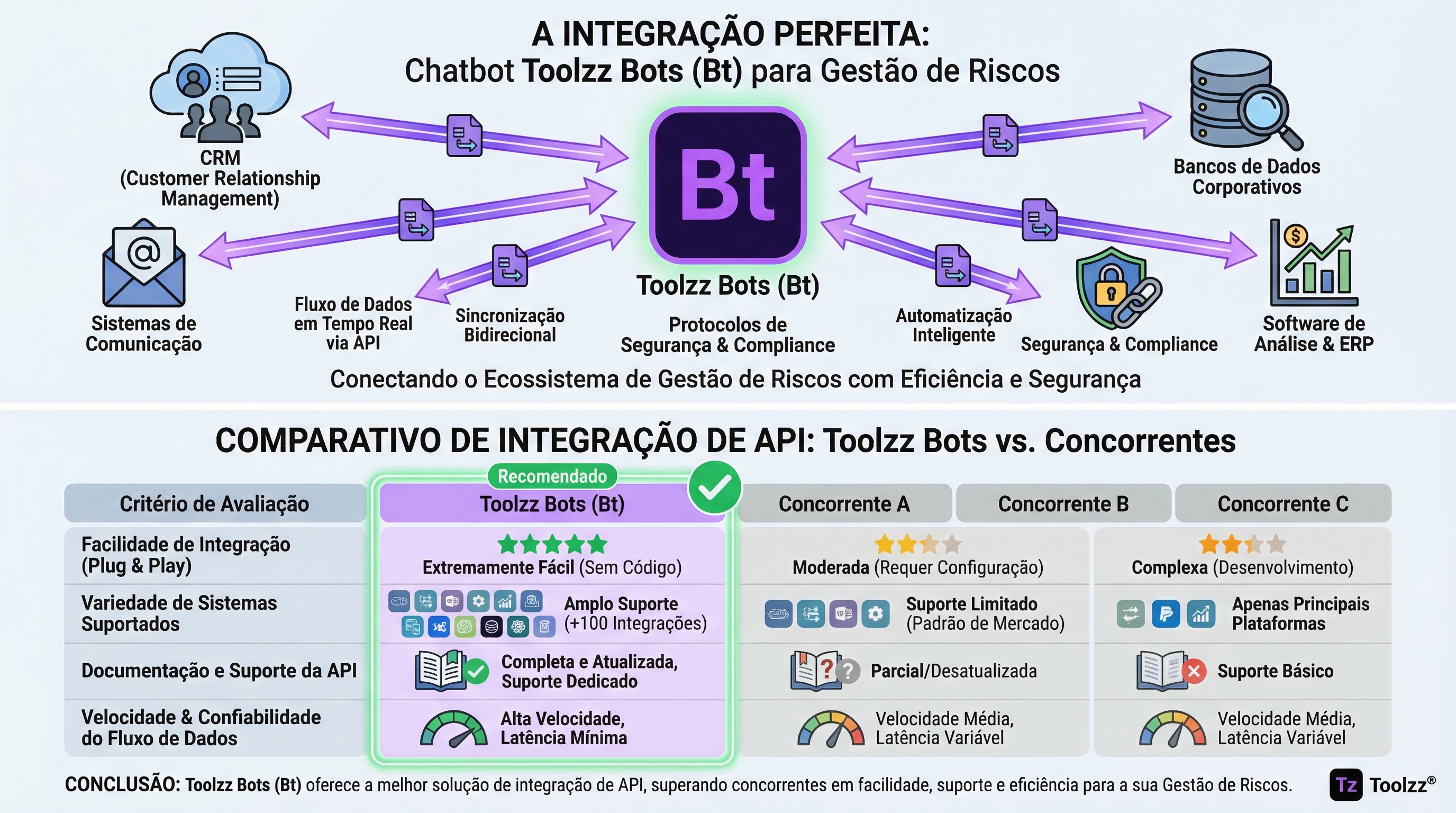
An isolated chatbot, without integration with existing risk management systems, loses much of its value. Integration with APIs, for example, allows the chatbot to access relevant information such as incident history, security policies, and compliance data. This enables more accurate triage and a more complete response to users. Toolzz Bots stands out for its ease of API integration, allowing connection with various tools already used by your company.
Want to know how to integrate Toolzz Bots with your systems? Schedule a demo and see how integration can optimize your risk management.
Poorly Crafted Content and Inappropriate Language
The chatbot's content should be clear, concise, and easy to understand. Avoid technical jargon and ambiguous language. The chatbot should be able to answer users' questions accurately and objectively. It's important to review and update the content regularly, ensuring it's always current with the latest risk management policies and procedures. Also consider the user persona when defining the tone and style of the conversation.
Lack of Personalization
A generic chatbot, without personalization, may not inspire confidence in users. It's important to adapt the chatbot to your company's visual identity and personalize messages to make them more relevant and friendly. Toolzz Bots allows you to customize the chatbot's appearance, including colors, logos, and avatars. Additionally, you can create personalized conversation flows for different types of users and incidents.
Not Monitoring and Optimizing Performance
Implementing a chatbot is not a one-time project. It's essential to continuously monitor the chatbot's performance, analyzing metrics such as completion rate, error rate, and user satisfaction. Based on this data, you can identify areas for improvement and optimize the chatbot to make it more effective. The Toolzz platform offers analytics and reporting tools to track your chatbot's performance.
Underestimating the Importance of Training
Even with a no-code platform like Toolzz Bots, training is essential. You need to teach the chatbot to understand the different ways users can express their needs and questions. The better trained the chatbot, the more accurate its response will be. Use real interaction examples to improve the chatbot's ability to interpret natural language.
Want to see it in practice?
Schedule DemoIgnoring Data Security
Risk management involves confidential information, so data security should be a priority. Make sure the chatbot complies with data protection regulations such as LGPD. Implement security measures to protect user data against unauthorized access. Toolzz Bots offers advanced security features to ensure the protection of your data.
Not Offering Transition to Human Service
No matter how advanced it is, a chatbot won't always be able to solve all problems. It's important to offer a smooth transition to human service when the chatbot can't answer the user's question or when the situation requires human intervention. This ensures the user receives adequate support and avoids frustrations. Toolzz Chat allows you to integrate the chatbot with human agents, facilitating the transition between the two channels.
In summary, implementing a chatbot for risk management can bring numerous benefits, from automating repetitive tasks to improving efficiency and security. However, it's essential to avoid the errors addressed in this article to ensure the project's success. With careful planning, well-executed implementation, and constant monitoring, you'll be able to make the most of chatbots' potential to strengthen risk management in your organization.
Demo Bots
Explore the interactive demo of Toolzz Bots, a powerful no-code platform that enables the creation of chatbots that operate 24 hours a day, 7 days a week.




















.webp)